

|
Getting your Trinity Audio player ready...
|
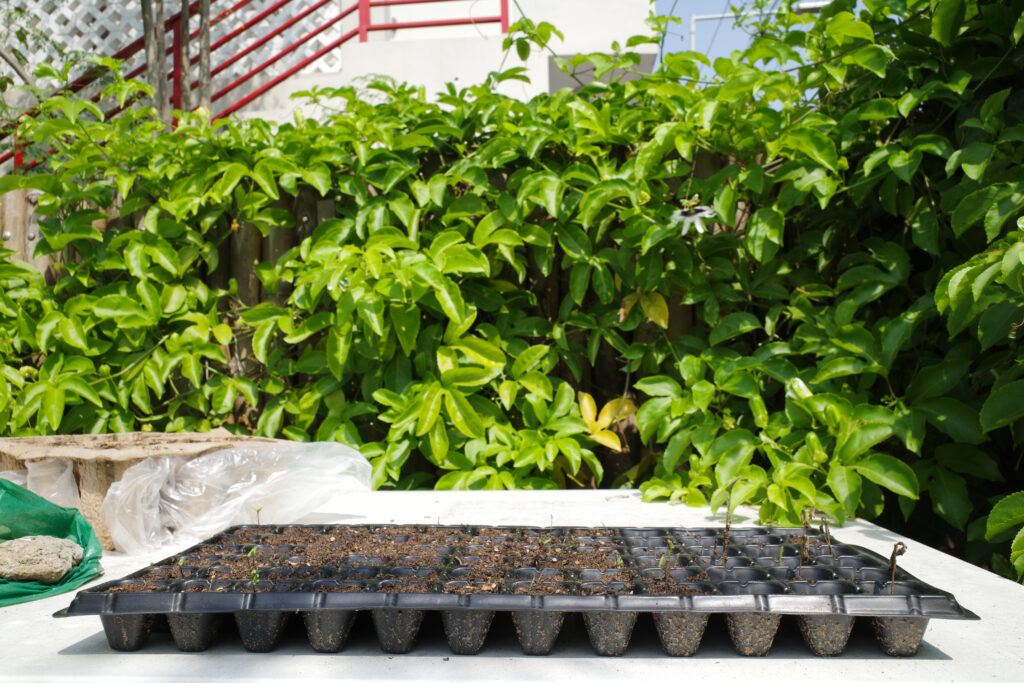
Food unites us. Across the globe, food and its related value chains hold centuries of history, tradition, and culture in its fibers, due to man’s unending pursuit of sustenance. Food tells us about social and economic structures, superstitions, lifestyle, and taste. Wars have been fought over food, but food has also been a source of healing and recovery.The Ghana Food Movement describes itself as “an empowering grassroots member network and agency of innovative and sustainable food and agri stakeholders […] farmers, chefs, scientists, nutritionist, entrepreneurs and more, all highlighting the potential of Ghanaian food.”The (Ghana Food Movement) Kitchen, newly opened in 2024, is a concrete manifestation of GFM’s mission statements. A warm and friendly environment boasts of a well-staffed kitchen where culinary experiments occur, an Airbnb and various hosting spaces for agents and partners that share the vision for the African food space.
Alásà, in conversation with Co-Founder and Director, Abdallah Smith, explored the inspiration, direction, and vision of Ghana Food Movement, and the future of Kitchen
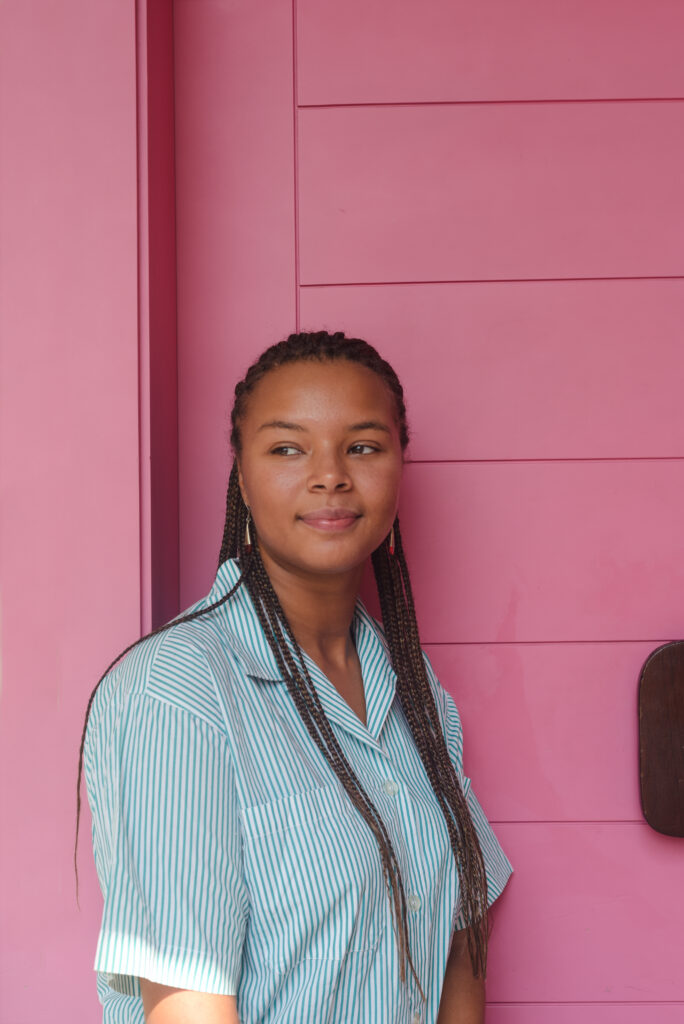
Aimée Wallin
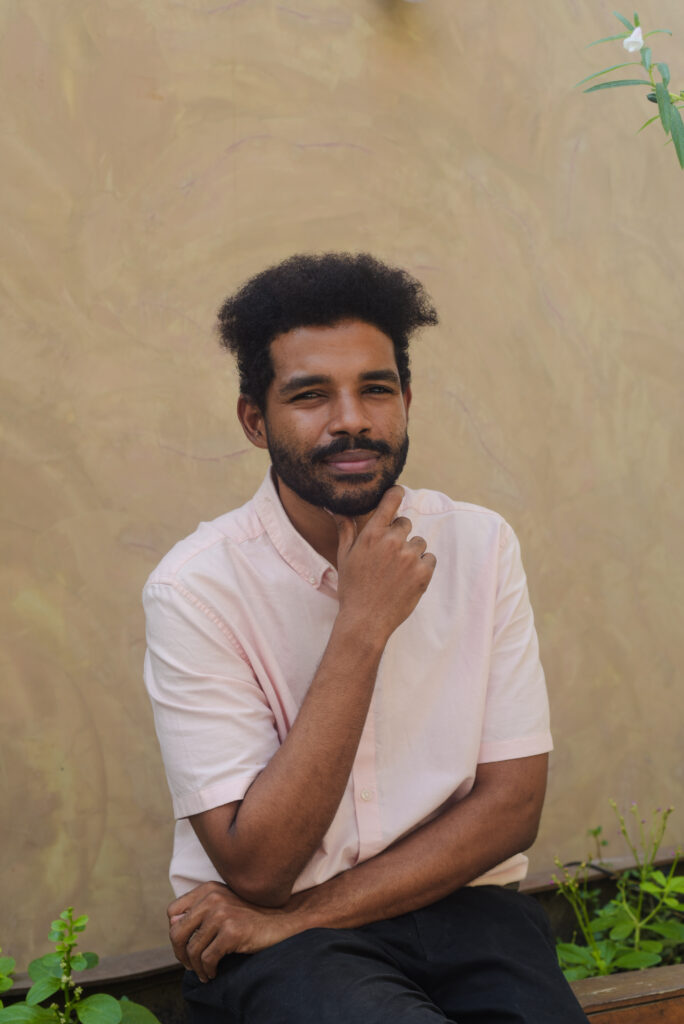
Abdallah Smith
What inspired the creation of the Ghana Food Movement?
We as Ghanaians, know the potential we have to make better use of our resources, whether it may be material resources, or the resources we keep at heart. What brought us together was the belief that Ghana has something more to offer. For the original founders, Lotte, Selassie, Etim, Binta, Elijah, it was about taking action; looking at our ingredients, the story they have to tell about the country, and the future of food when it comes to climate resilience, nutrition, and the betterment of our society. Ultimately, Ghana’s culinary scene has more to offer. How do we go about bringing it to the world? Let’s do a sort of culinary advocacy and get people engaged in Ghanaian cuisine in a fresh and innovative way.
The vision has evolved from just sort of looking at the gastronomy angle, to looking at it at a food systems level. For this reason we really began to build a network of stakeholders across the food value chain, with the idea of connecting dots because of the belief that we know that every other person is thinking alike when it comes to looking at our local ingredients…Therefore the vision naturally evolved from there and began to take more shape of how to now tackle problems in our society through the use of food, such as the huge youth unemployment problem. We decided to develop more programs targeting youth and training along with building their capacity. That’s one aspect of how the movement evolved
Is there a milestone that confirmed the importance of movement for you and the African food scene?
The kitchen is probably the biggest milestone of the movement, because it summarizes years of work and recognition by donors who put money into something that they also see as beneficial to society. The main donor, Tony’s Chocolonely, believe in promoting local ingredients, because they want their cocoa farmers to be able to diversify income streams, due to dwindling revenue from the cocoa industry. In addition, support from other organizations, individuals, which has begun to snowball, is a sort of avalanche of milestones.
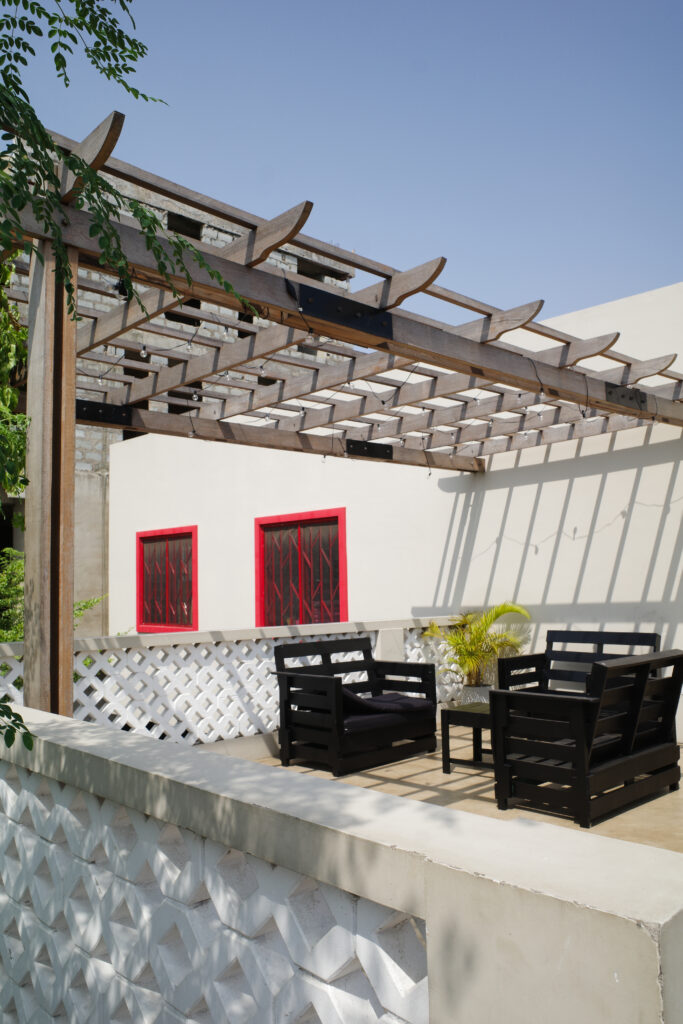
Photography by Araba Ankuma
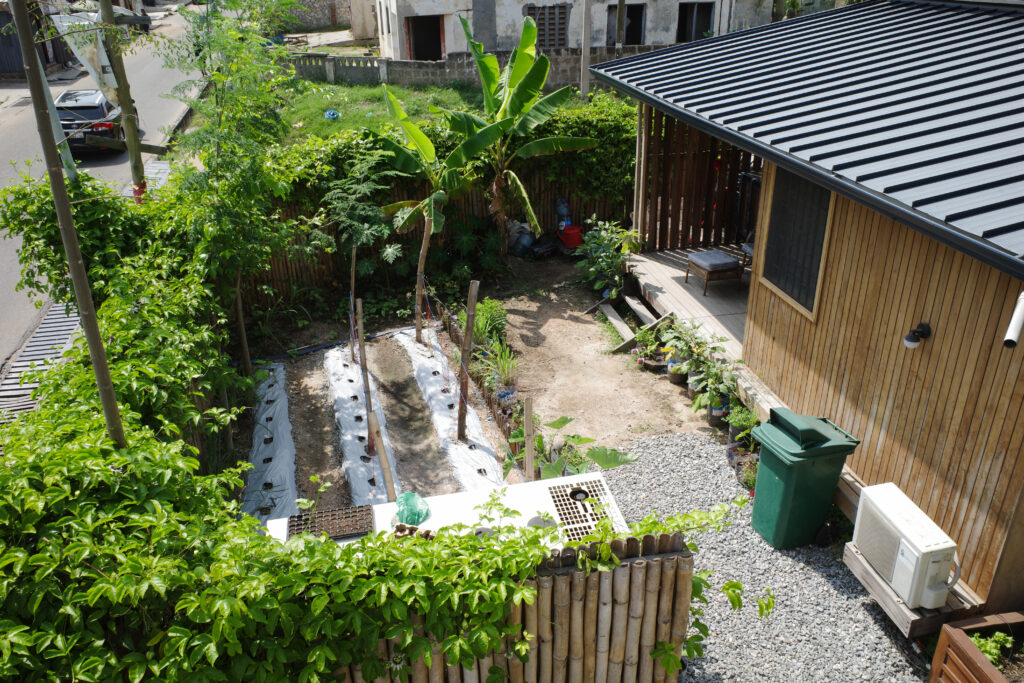
Before, we didn’t have a physical space. We had to rely on renting space, collaborating with others, which was very good for the time because it allowed us to build partnerships in the community. But now, we can be a node for developing more partnerships.The Kitchen is located in Osu, on Lokko Street, and we are weaving ourselves into the fabric of this beautiful, historic neighborhood; hosting cooking sessions with the neighbourhood school, and becoming a meeting place for the Osu street vendors association and all food actors who are about our mission. We’re joining with other forces, new and old. What makes us unique is that we do what we want, tell our stories, make our mistakes and solve them ourselves. It will be our story, with all its flaws and successes.
Can you walk us through some of its key features and what they offer to the community?
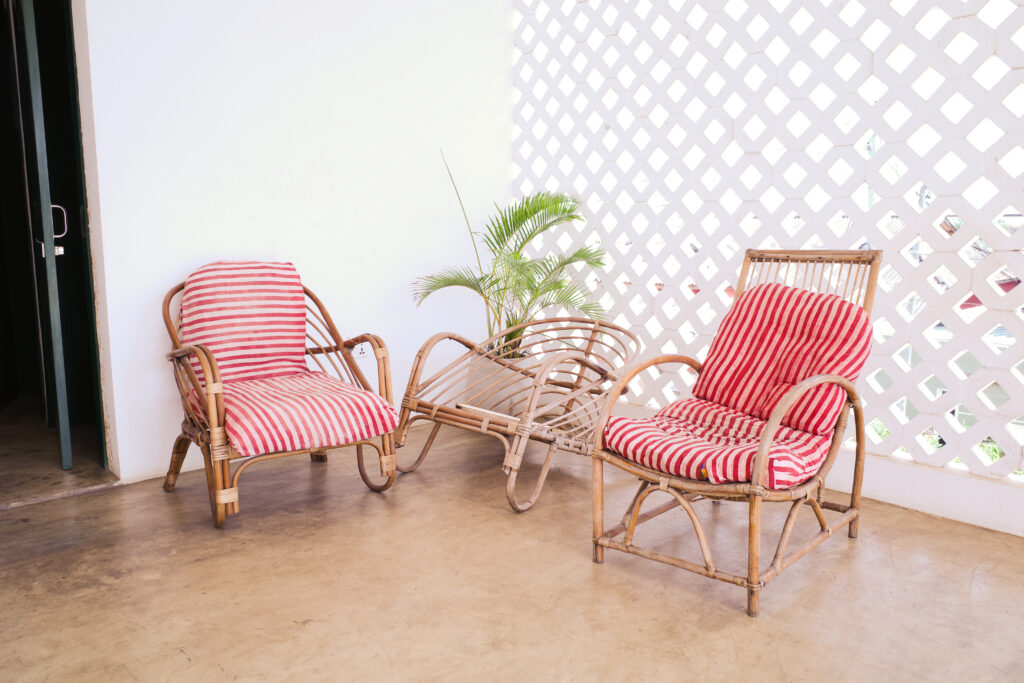
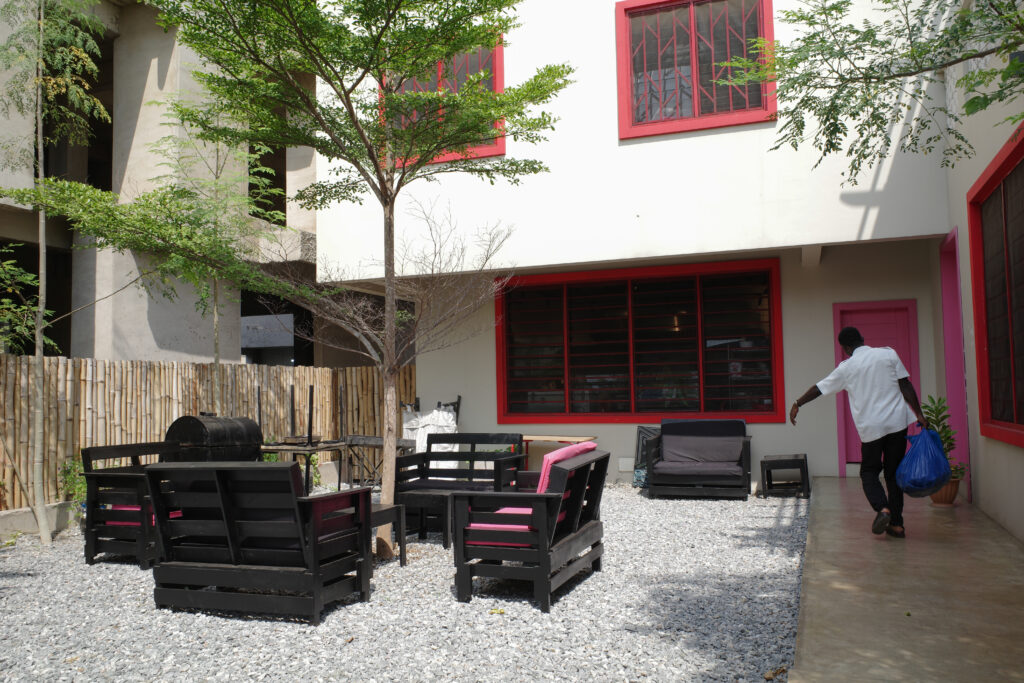
There are a few different functions of the space. It has a small demo farm, a fully furnished kitchen, a multi-functional space for different engagements, a bar and an airbnb. Whether its bringing young food actors into a conversation, merging a culinary experience with market research on a new product, providing a place for live music to meet grills, a book launch, discussions with like-minded people a training program, a crazy recipe, or a lost ingredient, we dey for you.
What kind of people or organizations do you hope to collaborate with through The Kitchen?
Our ethos is collaboration, rather than competition, so we remain open to all types with a shared mission of using our ingredients to transform our situation. One can join as a member, or be part of the network as a company, partner on long term projects or come to us to curate food experiences for themselves or the wider public. Or you can just come to eat. We won’t fight you!
If the kitchen had a personality, how would you describe it?
I would describe it as unapologetically Ghanaian. Its soul is Ghanaian and its outlook is, ‘’we don’t really give a f*ck’’. We’re gonna show Ghana the way we want to, to the rest of the world, and you can take it or leave it. We are surging with self-belief that our future is local and youth-led.
How does The Kitchen contribute to rethinking traditional food systems and lifestyles?
For Ghana, we have a vision of decolonizing our minds when it comes to food. The current Ghana is aspiring to a certain modern lifestyle. The food system we develop needs to be equitable, have economic resonance, and cultural significance that preserves our society. What we try and do with Ghana food movement, is reshape our traditional food methods, and bring a new element to it that can fit into this new idea and vision of modern Ghanaian society. It is about designing a new West African diet, alongside preserving the old, and having people across groups and ways of life have access to these diets that nourish us, and earth, more than they take away.
What does an alternative lifestyle mean in the context of food and sustainability?
I am a sustainability scientist, I studied that in my master’s program, and there’s what we call soft sustainability and hard sustainability. The first idea of soft sustainability is doing shallow measures that may address some problems, but don’t address the deep-rooted problems of society, which really are the forces that are driving the impact and exploitation of our environment, as well as other fellow human beings.In my opinion we may be looking to do a lot of the soft stuff, but there’s deeper stuff that is going on with what we are doing. This is an ongoing conversation that needs to be fairly put on the table maybe on the second or third course after people have had the first course and understood what it’s all about when we talk about food and sustainability. So no puns intended, but there you go.
Have you seen any shifts in how people engage with food because of your work?
It’s hard to say there’s been any shifts in how people engage with our food because we just are not able to monitor what they do outside of our work. We have no way of monitoring that, but for now, what we can say is when people come into our space, they know what they’re coming to get. I’ll give the example of us having a khebab night where we offered Ghana chicken, and we offered foreign chicken. And actually, the one that was local was the one which was more patronized and actually sold out way quicker than the foreign one, even though it cost more. So it goes to show that people want to support the economy. They just want the opportunity to be able to make that choice, and we, as much as possible, will give that to them.
What do you think the future of food in Africa looks like, and how do you see The Kitchen shaping that?
I am very scared for what the future of food in Africa will look like, to be honest. A lot of that indigenous knowledge and ingredients are slowly fading from existence, due to many reasons, including commercialization, and land degradation, without us realizing their importance. There is also this wave of agri-business – which is basically saying to the farmer ‘The way you make food is not going to feed us. We need big capital, big technology, to feed this growing population.’ This is not true. The farmers can feed us, It’s about finishing the road, creating consistent channels to sell produce, and working with them. Currently, the discourse is focused on dispossession. My fear is that farmers will become indentured servants to this uber-capitalist mode, coated with the shiny allure of new agri-technology that is substanceless at its heart. There is also that shocking land-use change happening across the continent. Big players are buying large tracks of land and orienting these lands to growing one crop, mostly cash crop, for export. If this cash crop/forex earning/growth economy logic is pushed to its logical ends, it could be fatal. I speak loosely here, so I implore all those who doubt to come find me and lets talk about it.
What’s the long-term vision for the Kitchen and Ghana Food Movement as a whole?
The long term vision of the Kitchen is to truly become a food education hub. Imagine a place where archives of food methods are available via multi media forms, and recipes are innovated to tell the story of our past and future. Imagine a place where any chef who wants to make his mark can come to this ‘mecca’ to learn, impact, and then take the knowledge and confidence into the world. With GFM, it would be wider, more system-level. It would be farms that are giving more to the Earth than taking from it, that give more to farmers than take from them, systems of food production that are more decentralized, unique, diverse, and still strongly interlinked. It would be that what ends up on our plate is from Ghana, made by Ghana, that its healthy, its diverse, it nourishes us, and makes us happy. I do not think that is unrealistic.
If the Kitchen and GFM could only achieve one major impact in the next decade, what would it be?
To have a continentally renowned young chef program that shapes chefs to be agents of change.
Abdallah Smith
Managing Director, Ghana Food Movement
Abdallah Smith is a Ghanaian sustainability advocate working as the Managing Director of Ghana Food Movement since its inception in 2021. After earning his Masters’ in Sustainability Studies from Lund University in Sweden in 2017, Abdallah has worked in various sectors within the sustainability field in Ghana. This includes, the renewable energy sector, waste and recycling, and agro-ecological farming.
Aimée Wallin
Managing Director, Ghana Food Movement
Aimée is the Managing Director of the Ghana Food Movement (GFM), a nonprofit dedicated to strengthening Ghana’s local food system and expanding access to nutritious, locally sourced food. A Swedish-Malian food advocate, she is committed to food sovereignty, sustainability, and the preservation of African food cultures. Through The Kitchen in Accra, Aimée leads initiatives that train and empower young people in culinary and hospitality skills, fostering the next generation of leaders in Ghana’s food ecosystem.